

Adult Therapy Isn't Just for Crisis: 10 Signs It's Time to Talk to Someone

Many people believe therapy is only necessary during a crisis, but that is a common misconception. Adult therapy helps with everyday challenges like stress, anxiety, relationship concerns, career changes, grief, and personal growth. You do not have to wait until life feels unmanageable before seeking professional support.


Reaching out early improves emotional well-being, strengthens coping skills, and builds lasting confidence. Therapy is a proactive investment in your mental health, providing practical tools to manage emotions before problems become completely overwhelming.


Why Many Adults Delay Going to Therapy


Although therapy has become more widely accepted, many adults still hesitate to seek help. Several factors contribute to this delay.


Stigma


Some people worry that attending therapy means something is wrong with them. Outdated social beliefs still prevent people from reaching out for professional support. Mental health awareness is growing fast but old mindsets still linger. Seeking regular care should always be viewed as a sign of strength.


Fear of Judgment


Many adults fear what friends or family may think about therapy. Others worry about being judged harshly by the therapist during private sessions. However, trained professionals provide completely compassionate and nonjudgmental care every day. You deserve a safe space to share your private thoughts freely.


Thinking Problems Aren't "Serious Enough"


Many individuals compare their personal struggles to others around them right now. They mistakenly believe they should simply deal with it on their own. However, therapy is highly beneficial even when challenges seem very small. You do not need to hit rock bottom before seeking help.


Time Constraints


Busy work schedules and heavy parenting responsibilities create major daily conflicts. These hectic commitments make people believe they have no time for therapy. Fortunately, virtual therapy has made scheduling much more convenient for working adults. You can now meet your provider from the comfort of home.


Cost Concerns


Financial worries may discourage people from seeking the mental health help they need. However, many modern practices offer flexible payment options for their clients. Investing in mental wellness reduces larger emotional challenges later in your life. Your mental health is always worth the financial investment you make.


Wanting to Handle Everything Alone


Many independent adults pride themselves on handling every life problem alone. While personal resilience is valuable, everyone benefits from regular support at times. Therapy provides expert guidance that friends and family cannot always offer you. Relying on a professional helper makes your personal journey much easier.


Therapy is About More Than Crisis


Therapy is not simply about treating mental illness. It also supports long-term emotional wellness and personal development.


Therapy may help improve:


●       Emotional wellness

●       Communication skills

●       Healthy relationships

●       Self-confidence

●       Life transitions

●       Personal growth

●       Self-awareness

●       Stress management


Working with a therapist provides a safe environment to explore emotions, identify unhelpful patterns, develop healthier coping strategies, and build practical skills for everyday life.


10 Signs It May Be Time to Talk to a Therapist


If you are experiencing any of the following, it’s best to talk to a therapist:


You are Constantly Overwhelmed


Daily responsibilities can feel impossible to manage when stress never disappears. Therapy helps you organize thoughts and develop healthier stress management techniques now. Learning to set healthy boundaries will bring immediate relief to you.


You Feel Emotionally Exhausted


Feeling emotionally drained for weeks indicates your mind needs professional support. Therapy identifies underlying causes and teaches effective emotional regulation skills quickly. Restoring your internal energy requires patience and a solid therapeutic plan.


Your Relationships Keep Struggling


Frequent misunderstandings, conflicts, and trust issues can hurt your closest relationships. Communication problems with your partners or friends benefit from professional guidance. A neutral space allows everyone to speak openly and connect deeply.


Anxiety is Affecting Daily Life


Persistent worry, racing thoughts, and panic attacks can interfere with work. Constant nervousness disrupts your relationships and normal daily routines every single week. Therapy offers evidence-based strategies for managing anxiety and finding peace. You deserve to live without constant fear controlling your actions.


You are Experiencing Major Life Changes


Career changes, divorce, moving, and becoming a parent create major emotional challenges. Retirement or losing a loved one requires extra support during transitions. Therapy provides steady guidance during these important shifts in your life. Navigating new beginnings becomes much easier with professional mental support.


You Can Not Stop Overthinking


Your mind may constantly replay conversations or worry about future events. Imagining worst-case scenarios is an unhelpful thinking pattern therapy can break. You can train your brain to remain focused on today.


You Have Lost Interest in Activities


Hobbies, friendships, and favorite activities may no longer bring you satisfaction. It is time to explore these changes with a professional. Reconnecting with your passion takes time but brings true happiness.


You Feel Stuck


Sometimes people know something needs to change but cannot move forward. Therapy helps clarify personal goals, identify hidden obstacles, and build confidence. You can create a clear roadmap toward a more fulfilling life.


You are Having Trouble Sleeping


Stress, anxiety, and unresolved emotions often contribute to your chronic insomnia. Addressing these deep emotional concerns will improve your overall sleep quality. Better rest allows you to tackle daily challenges with clear focus.


You Simply Want to Understand Yourself Better


Not everyone enters therapy because they face a major clinical problem. Many people seek therapy to strengthen emotional intelligence and continue growing. Self-awareness is a powerful tool for long-term success and happiness.


What Happens During Your First Therapy Session?


Starting therapy can feel intimidating, but the first appointment is usually an opportunity to begin building a comfortable therapeutic relationship.


During your first session, you can typically expect:


●       An initial conversation about your concerns

●       Discussion of your personal history

●       Exploration of your goals for therapy

●       An explanation of confidentiality and privacy

●       Development of an individualized treatment plan

●       Time to ask questions about the therapist's approach, experience, and recommendations


The first session is also an opportunity to determine whether you feel comfortable with the therapist and their communication style.


Benefits of Starting Therapy Early


Beginning therapy before problems become overwhelming offers many advantages. Some important benefits include:


●       Better emotional regulation

●       Improved relationships

●       Reduced stress levels

●       Better sleep quality

●       Increased productivity

●       Greater resilience during difficult times

●       Healthier coping skills

●       Improved communication

●       Higher self-confidence

●       Better overall quality of life


Early support often helps prevent emotional challenges from becoming more severe over time.


Friends and family play an important role in emotional support. But therapy provides specialized skills and professional guidance designed to improve mental well-being.


Choosing the Right Therapist


Finding the right therapist can significantly improve your therapy experience. Consider the following factors:


Credentials


Choose a licensed mental health professional with appropriate higher education. They must hold active state credentials and have verified clinical experience. You can easily check their background on official state board websites. This step ensures you receive safe and highly ethical mental health care.


Specializations


Different therapists focus on different concerns throughout their professional careers. Some experts specialize in deep trauma, daily anxiety, or severe depression. Others help clients navigate heavy grief, relationship issues, or major transitions. Choosing a specialist ensures your unique needs are met effectively.


Communication Style


You should feel completely heard, deeply respected, and understood during sessions. Your provider needs to communicate clearly and answer your questions directly. Pay attention to how they deliver feedback during your first conversation. A good style matches your natural way of processing difficult emotions.


Comfort Level


A strong therapeutic relationship is built entirely on deep mutual trust. Feeling comfortable with your selected therapist is essential for your healing. You should feel safe sharing your private thoughts without any judgment. Trust your gut feeling during your initial consultation phone call.


Cultural Fit


A shared understanding of your cultural background promotes deeper emotional safety. Matching identities or personal values may help some individuals feel more supported. A culturally competent therapist respects your unique lived experiences and traditions. This connection allows you to speak openly without explaining every nuance.


Therapy Approach


Therapists may use different evidence-based methods depending on your goals, including Cognitive Behavioral Therapy (CBT) and Acceptance and Commitment Therapy (ACT). Some might also use Eye Movement Desensitization and Reprocessing (EMDR), Internal Family Systems (IFS), somatic techniques, and mindfulness-based approaches.


Common Therapy Myths


Many misconceptions discourage people from seeking therapy.


Myth 1. Therapy is Only for Mental Illness


Therapy supports emotional wellness, personal growth, stress management, and healthy relationships. You can use these sessions to improve your overall quality of life.


Myth 2. Therapy Means You are Weak


Seeking help demonstrates self-awareness and a willingness to improve your well-being. Recognizing when you need support is a sign of true strength.


Myth 3. Therapy Lasts Forever


The length of therapy depends on individual goals. Some people attend only a few sessions, while others benefit from longer-term support. You will collaborate with your provider to determine the right timeline.


Myth 4. Therapists Simply Give Advice


Therapists help clients develop insight, coping skills, and practical strategies rather than simply telling them what to do. This professional approach empowers you to make your own healthy decisions.


Myth 5. You Must Have Trauma to Benefit


Anyone seeking greater emotional health, confidence, or self-understanding can benefit from therapy. Your current personal growth journey is always worthy of professional guidance.


When Should You Seek Immediate Help?


While therapy supports many everyday concerns, some situations require immediate emergency assistance. Seek immediate help if you or someone else is experiencing:


●       Thoughts of self-harm

●       Thoughts of harming others

●       Suicidal intent or plans

●       Severe mental health symptoms creating immediate danger

●       Inability to remain safe


If immediate safety is at risk, contact your local emergency services or a crisis hotline right away. Emergency resources are designed to provide immediate support while keeping individuals safe.


Building a Healthier, More Balanced Future Today


Therapy is a valuable resource for managing your daily stress levels. You can navigate life transitions smoothly and build strong internal resilience. Everyone deserves compassionate mental health support to live a balanced life.


Live Consciously, PLLC offers dedicated, trauma-informed virtual therapy for everyone. Our licensed clinicians care for teens and adults across Texas online. We treat anxiety, depression, grief, and relationship issues securely. Reaching out early helps you understand your stress and build a healthier future.


Frequently Asked Questions


Q.1) Is therapy only for people with mental illness?


No, therapy supports daily stress management and your personal growth goals. You can improve your personal relationships and build deep emotional wellness. Counselors also guide you through difficult life transitions and career changes. Investing in your mental health brings lasting peace to your life.


Q.2) What are signs I need therapy?


Persistent stress, constant anxiety, and deep emotional exhaustion are common signs. You might also experience relationship difficulties or notice severe sleep problems. Feeling stuck or facing major life changes are good reasons too. Talking to a professional helps you find your path forward now.


Q.3) How do I know if my stress is normal?


Stress becomes concerning when it consistently affects your daily workplace performance. It can also disrupt your personal relationships and your nightly sleep patterns. Your physical health and daily functioning might start to decline quickly. A trained therapist can help you evaluate your current baseline health.


Q.4) Can therapy help if I'm not depressed?


Yes, many people attend therapy to manage their severe daily anxiety. You can work on communication skills, personal confidence, or deep grief. Therapists also help with career concerns and tough relationship challenges safely. You do not need a clinical diagnosis to benefit from care.


Q.5) What happens in the first therapy session?


Your therapist will discuss your current concerns and explain strict confidentiality. They will learn about your personal history and establish meaningful goals. You can ask questions about the therapeutic process during this time. Together, you will begin developing a highly personalized treatment plan now.


Q.6) How often should adults attend therapy?


Many adults begin their healing journey with weekly online sessions. However, the exact frequency depends entirely on your unique personal needs. You will consider your primary treatment goals and your current schedule. Your therapist will offer professional recommendations during your first session.


Q.7) Is online therapy effective?


Yes, scientific research shows that secure virtual therapy is highly effective. It successfully addresses many common mental health concerns for diverse individuals. You must work with qualified professionals to get the best results. Remote sessions make getting support convenient for your busy modern lifestyle.


Q.8) How long does therapy usually last?


The duration of your therapy varies based on your personal goals. Some individuals benefit from short term therapy lasting just several weeks. Other people continue much longer for ongoing personal growth and healing. You can decide the best timeline with your provider over time.


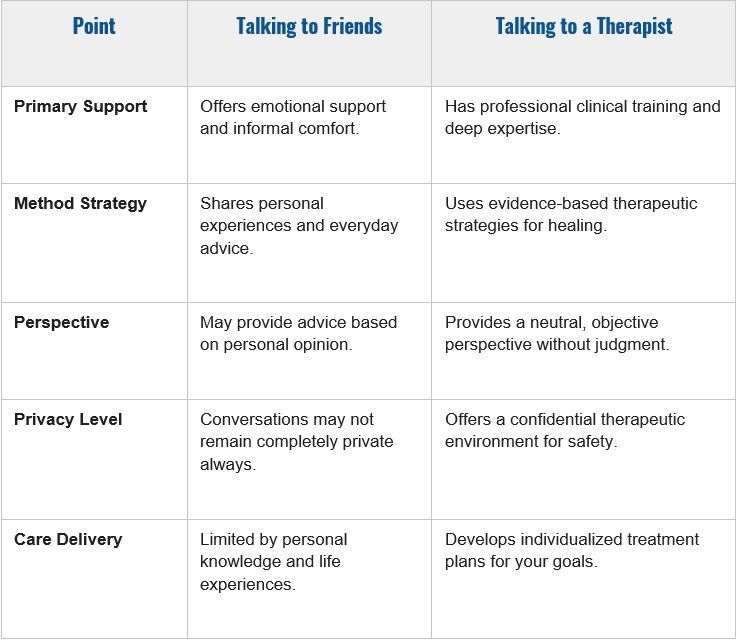
Therapy vs Talking to Friends


This table here shows how talking to a professional therapist can be different from talking to a friend:


Alexandrea Long, LCSW-S, is the founder of Live Consciously, PLLC, a Texas-based virtual therapy practice specializing in trauma-informed, mind-body healing. She is a Licensed Clinical Social Worker-Supervisor with advanced training in EMDR, parts work/Internal Family Systems-informed therapy, somatic therapy, and ketamine-assisted psychotherapy.


Alexandrea helps adults heal from complex trauma, anxiety, childhood wounds, religious trauma, burnout, and nervous system dysregulation using evidence-based and integrative approaches. She also provides clinical supervision to LMSWs and writes on trauma recovery, nervous system regulation, conscious healing, and emotional wellness.


By Alexandrea Long July 30, 2026
Learn how stored stress impacts your body long after stressful events, its symptoms, and how trauma-informed therapy can support healing.
By Alexandrea Long July 29, 2026
Explore how trauma and depression are connected, common symptoms, and how trauma-informed therapy can support healing and emotional recovery.
By Alexandrea Long July 28, 2026
Learn why high-functioning anxiety often goes unnoticed, recognize the signs before burnout, and explore effective therapy for lasting well-being.
By Alexandrea Long July 27, 2026
Discover how trauma therapy helps overcome people-pleasing, build healthy boundaries, improve self-worth, and create healthier relationships.
By Alexandrea Long July 26, 2026
PTSD vs. Complex PTSD: How to Know Which One You May Be Experiencing
By Alexandrea Long June 26, 2026
Why High-Functioning Adults Still Struggle With Anxiety
By Alexandrea Long June 26, 2026
Attachment Styles Explained: How to Understand Your Hidden Relationship Habits
By Alexandrea Long June 26, 2026
The Hidden Effects of Childhood Trauma in Adulthood
By Alexandrea Long June 26, 2026
How Do Childhood Experiences Affect Adult Relationships?
By Alexandrea Long June 17, 2026
What Happens During Your First Therapy Session?